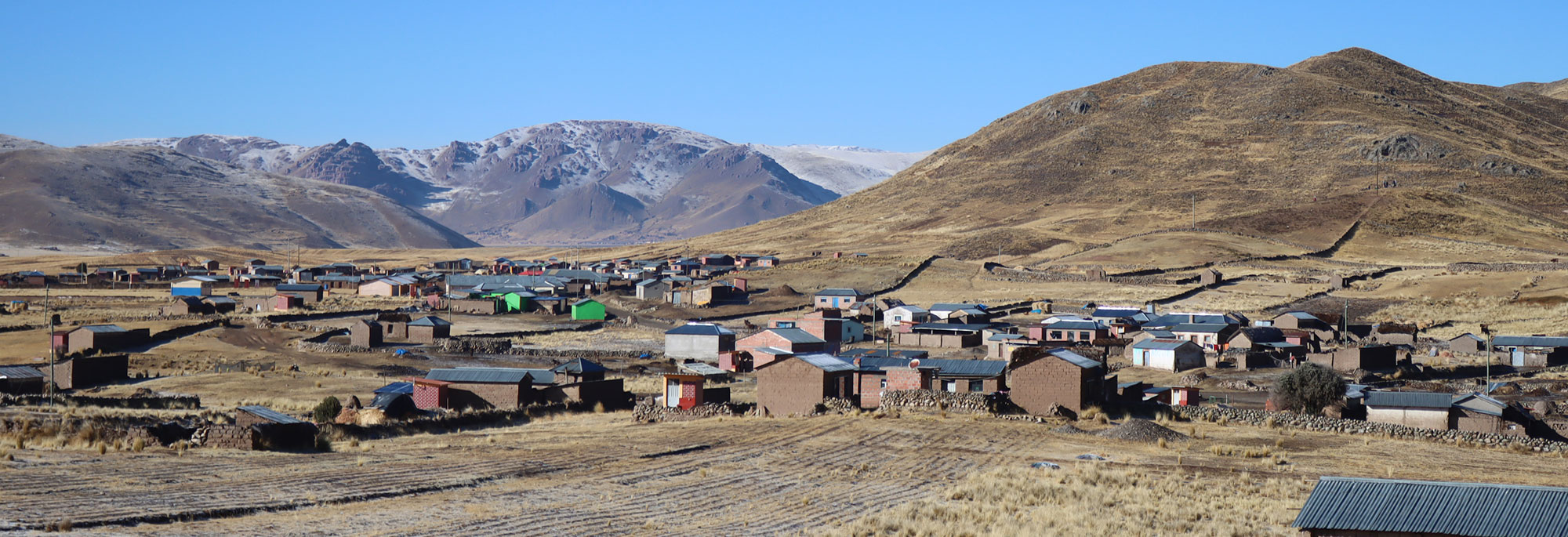

LAKE TITICACA, PERU—The switch to agricultural rather than hunter-gatherer-based societies is one of the most pivotal moments in the history of humankind. Archaeologists have long thought that this transition may have been influenced by hardships, as communities began relying more heavily on domesticated crops due to increasing population and diminished wild resources. However, according to a statement released by the Public Library of Science, new evidence from Peru's Altiplano region suggests that this was not the case there. Researchers recently examined the diets of 16 individuals buried at the sites of Kaillachuro and Jiskairumoko between 5,000 and 3,000 years ago, during the transitional period from foraging to farming. By analyzing isotopic signatures, the team determined that the diets of the inhabitants consisted of about 84 percent plant material, with a smaller proportion made up of meat from large mammals. This remained consistent over thousands of years, in both earlier foraging and later farming communities, seemingly dispelling myths that the eventual switch to agriculture was driven by necessity and crisis. “Our findings demonstrate, instead, that in the Altiplano, it was a process marked by stability and food sufficiency sustained for thousands of years,” said researcher Luisa Hinostroza. “These results constitute crucial evidence revealing the capacity of Andean societies to efficiently manage their resources and maintain long-term stability.” Read the original scholarly article about this research in PLOS ONE. To read about how hunter-gatherers thrived for 13,000 years in the southern reaches of South America, go to "Letter from Patagonia: Surviving a Windswept Land."